Creatine monohydrate for Menopause Brain Fog & Fatigue
Struggling with menopause brain fog and low energy? Discover how pure creatine monohydrate can safely clear the fog and boost mental clarity without bloating.
6/19/20265 min read
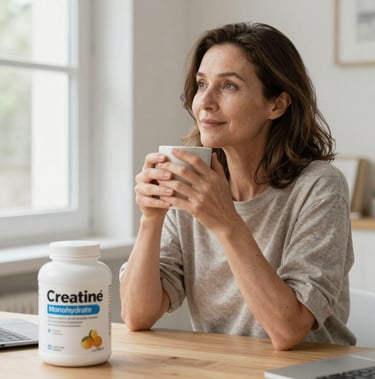
The Menopause Brain Fog Remedy You Haven’t Tried Yet
If you are navigating perimenopause or menopause, you already know the feeling. You walk into a room and completely forget why you are there. You stare at your computer screen, struggling to find a basic word that is right on the tip of your tongue. This exhausting mental exhaustion—widely known as menopause brain fog—is one of the most frustrating symptoms of the hormonal transition.
When looking for solutions, you have likely heard about hormone therapy, cutting out sugar, or drinking more coffee. But there is another highly researched, deeply effective tool that most women are completely overlooking: Creatine Monohydrate
When you hear the word "creatine," you probably picture a 20-something male bodybuilder chugging a chalky shake at the gym. It is time to throw that outdated stereotype away. Creatine is not just for muscles—it is a vital molecule for your brain, and it might just be the missing piece in your midlife wellness toolkit.
Clearing the Fog: How Creatine Supports Your Brain
During menopause, your dropping estrogen levels directly impact how your brain metabolizes energy. Estrogen is a key driver of glucose uptake in the brain; when it crashes, your brain quite literally experiences an energy deficit. This is what triggers those scary moments of forgetfulness, low mental stamina, and chronic fatigue.
This is where creatine steps in as a cognitive game-changer:
Recharging Brain Energy: Just like your muscles, your brain relies on a primary energy currency called ATP (adenosine triphosphate). Creatine helps your brain produce energy more efficiently. During menopause, declining estrogen may affect how the brain uses energy, which may contribute to brain fog and mental fatigue. Creatine helps replenish cellular energy stores, potentially supporting concentration and mental performance.
Fighting Sleep Deprivation: If menopause night sweats are ruining your sleep, your cognitive function takes a massive hit the next day. Clinical studies show that creatine supplementation significantly buffers the brain against mental fatigue during periods of poor sleep.
Sharpening Focus and Memory: Recent research specifically focusing on women indicates that daily creatine usage helps improve short-term memory, executive functioning, and processing speed during hormonal dips.
Low testosterone and declining estrogen may both contribute to fatigue, poor concentration, and low motivation during menopause.
What are the Best Supplements for Women in Menopause?
Wondering what to take besides creatine? Explore the most evidence-based supplements for menopause and learn which nutrients may support muscle, bone, brain, sleep, mood, and overall well-being.
👉 Learn more: Understanding Low Testosterone in Women
2. Myth Busting: "Will It Make Me Look Bulky or Bloated?"
It is incredibly common for women to hesitate when introducing creatine because of fitness-industry myths. Let's set the record straight so you can use this supplement with total peace of mind.
Myth 1: "It will cause severe water retention and bloating."
The Reality: Creatine does pull water, but it pulls it intracellularly—meaning the water goes directly inside your muscle cells, not under your skin or in your stomach. This hydration actually makes your muscles look healthy, toned, and firm, rather than causing that uncomfortable, puffy abdominal bloating we all dread during menopause. Current evidence suggests that creatine primarily increases water inside muscle cells rather than under the skin. Research in women has not shown an increased risk of significant weight gain or adverse effects.
Myth 2: "It will make me look bulky like a bodybuilder."
The Reality: Women simply do not have the levels of testosterone required to build massive, bulky muscles overnight. Instead, creatine helps preserve your lean muscle tissue—which naturally declines during menopause—helping you maintain a strong, boosted metabolism and stable joints.
Protein and creatine work together to support muscle strength, energy, metabolism, and healthy aging during menopause.
👉 Read: Protein Intake for Women in Menopause
Find Your Daily Protein Needs
If you're increasing creatine intake, adequate protein is equally important for muscle, energy, and recovery.
👉 Try our free Menopause Protein Calculator
3. How to Start Safely (The Simple Approach)
What to Buy: Look for 100% pure, high-quality Creatine Monohydrate. Ideally, choose a "micronized" powder that is third-party tested (look for labels like Creapure). It is completely tasteless and odorless.
Need Help Choosing?
There are many creatine supplements available, which can feel overwhelming. To make things simpler, I've selected three creatine monohydrate products that I personally recommend.
👉 Browse the options below and choose the one that feels right for you.
Creatine monohydrate is the form most widely studied for muscle health, energy, recovery, and cognitive support during midlife and menopause. You do not need to follow complicated gym protocols or "loading phases" to get the cognitive benefits of creatine.
The Daily Dosage: Take 3 to 5 grams (usually one standard scoop) every single day. Consistency is key—it takes about 2 to 4 weeks of daily use to fully saturate your cells and notice the mental clarity, women do not generally need a "loading phase.
How to Take It: Mix it right into your morning coffee, tea, a glass of water, or your daily smoothie.
Brain fog and fatigue can affect confidence, mood, and emotional wellbeing. You are not imagining these symptoms.
👉 Read: Emotional Wellbeing in Midlife
What Experts Say About Creatine for Women
"Creatine is one of the most researched supplements available and may be particularly beneficial for women during perimenopause and menopause."
— Dr. Stacy Sims
Exercise physiologist Dr. Stacy Sims recommends creatine monohydrate for women in midlife because of its potential benefits for muscle strength, recovery, brain energy, and healthy aging.
Researcher Dr. Abbie Smith-Ryan has published several studies showing that women may experience unique benefits from creatine supplementation, particularly during and after menopause when hormonal changes affect muscle mass, energy production, and cognitive function.
What Does the Research Say?
Several reviews and position papers have found that creatine supplementation may support:
✔ muscle strength and lean muscle mass
✔ physical function in postmenopausal women
✔ brain energy metabolism
✔ cognitive performance during fatigue and sleep deprivation
✔ healthy aging and recovery
The International Society of Sports Nutrition considers creatine one of the safest and most extensively studied supplements available.
Looking for other science-backed products that can support your menopause journey? Explore our guide to the 8 Essential Menopause Products for Women, featuring evidence-based supplements and tools for brain health, sleep, muscle strength, bone health, and overall wellbeing.
Best High-Protein Foods for Women in Menopause
Creatine works best alongside an adequate protein intake. Explore our guide to the Best High-Protein Foods for Women in Menopause for practical meal ideas that support muscle strength, recovery, and healthy aging.
Creatine can improve strength, muscle performance, and recovery—but it delivers the greatest benefits when combined with resistance training. Learn how much weight you should actually lift during menopause in our evidence-based guide.
Sleep can have a major impact on how mentally sharp you feel the next day. If you wake during the night, try this simple eye-movement technique to help you fall back asleep.
References
Smith-Ryan AE et al. Creatine Supplementation in Women's Health: A Lifespan Perspective. Nutrients, 2021. PubMed study
International Society of Sports Nutrition Position Stand on Creatine. ISSN Position Stand
Dr. Stacy Sims – Creatine Guide for Women. Dr Stacy Sims article
Creatine in Women's Health (2025 review). 2025 review article
Safety of creatine in women. Safety review study
This page contains affiliate links. If you purchase through these links, I may earn a small commission at no extra cost to you. I only recommend products that meet my quality standards.